Time & Memory Concept & world Gameplay & interaction Walkthrough Swipe across each composition to explore.
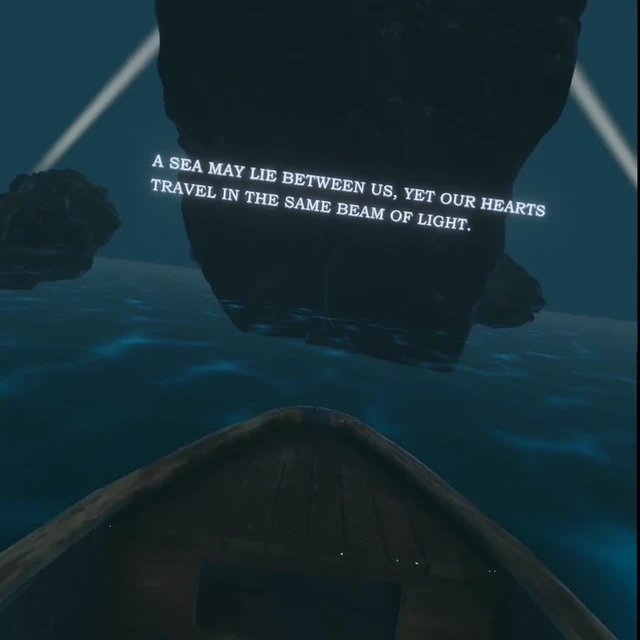
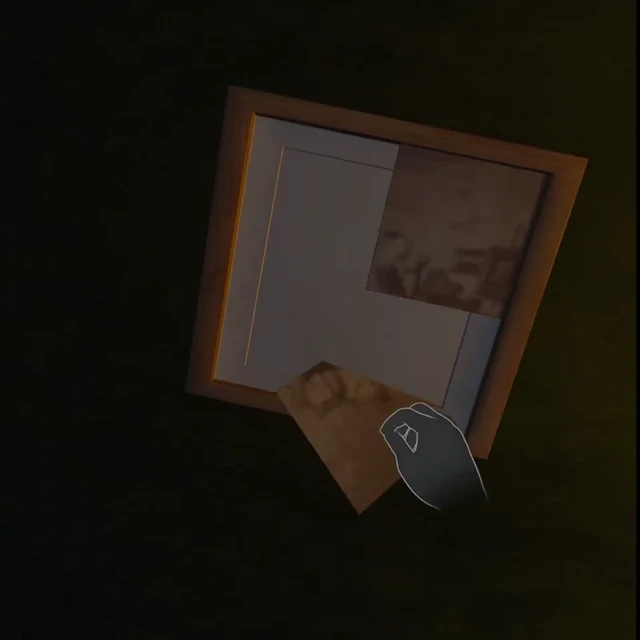
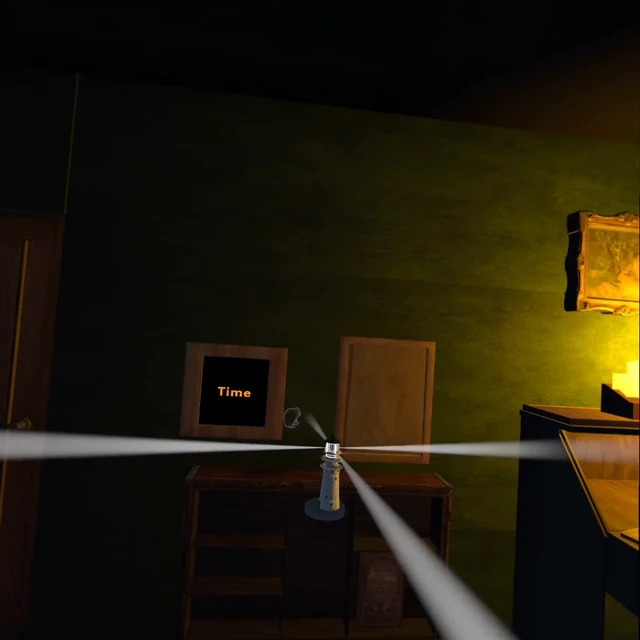
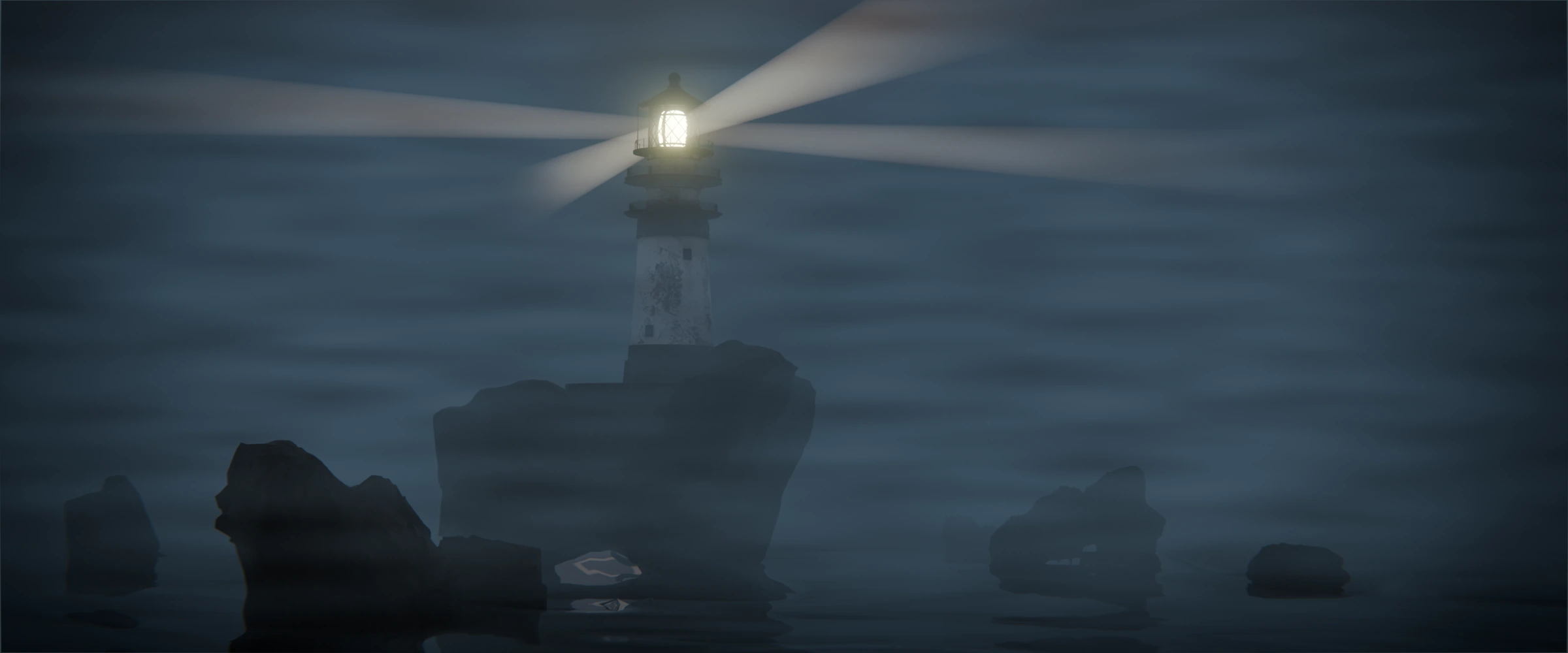
Explore the rooms and correspondence of Virginia Woolf and Ling Shuhua. Photographs become clues; letters connect memories across cultures and time. VR NARRATIVE / SPATIAL DESIGN / QUEST 3 Background & inspiration How can an archive be experienced? Letters, diaries, photographs, tools and former homes are both physical records and carriers of thought. A timeline can explain events yet flatten psychological time; interaction lets visitors reconstruct meaning. To the Lighthouse The journey begins with St. Ives and the memories behind Woolf’s novel. A distant lighthouse gives the visitor a direction before the correspondence reveals its meaning. Virginia Woolf Ling Shuhua Their cross-cultural correspondence extends the story from childhood memory to writing, translation and women’s lives in wartime. Spatial narrative Seven paired points link the rooms. Letters shift the visitor’s viewpoint between Woolf and Ling; the next illuminated point guides progression. Each object anchors a memory, text or moment. VIRGINIA WOOLF 1 2 3 4 5 6 7 1 2 3 4 5 6 7 LING SHUHUA Scene reconstruction Monk’s House provided references for the room and its objects. AI-assisted image processing and modelling supported the reconstruction. Monk’s House reference Woolf’s room Seven story points Letters turn archival objects into triggers for recollection. 1 5 Apr 1938 · Woolf → Ling Two childhood photographs 2 25 May 1938 · Ling → Woolf 1898 diary; 1910 beach photograph 3 24 Jul 1938 · Woolf → Ling Gaskell & Lamb; To the Lighthouse manuscript 4 Oct 1938 · Woolf → Ling The Waves manuscript 5 31 Dec 1938 · Ling → Woolf Ulysses notes; A Room of One’s Own 6 17 Apr 1939 · Woolf → Ling On Being Ill: text and cover development 7 16 Jul 1939 · Woolf → Ling Final diary, walking stick and portraits Research → design From static display to participatory interpretation Danto / representation An object points beyond itself to a story or concept. Design question Can interaction let a visitor return to a remembered moment? Material → clue Compare letters and photographs; infer connections instead of receiving an explanation. Narrative puzzle Room → time state A reconstructed room becomes a layer of consciousness and historical time. Spatial narrative Touch → recollection Contact with an object unfolds memory, space and time. The visitor participates in meaning. Time recollection Archive matter + memory Other Works 03 Individual program Gameplay & interaction 01 The lighthouse prologue The lighthouse draws the visitor from exhibition into story: the book opens, the world unfolds, and a first-person voyage begins. Enter the book The lighthouse Quest 3 hand tracking carries the lantern. Text fragments guide the route; approaching them triggers dissolution and spoken narration. 3 March 1938 / A letter for Woolf At Monk’s House, deliver Ling Shuhua’s letter to Woolf. A passer-by prompts the action; the door opens to reveal part of the room. VOYAGER LETTER CARRIER The scene unfolds Lantern → words → voice Carry the lantern Read the fragments Dissolve into narration “Hey, go deliver the mail right away. Don’t hold it up.” The lighthouse prologue · Recorded VR interaction 02 Rooms as memory devices A worked example from story point 1 1 5 April 1938 / Woolf’s reply and childhood photographs 2 3 4 2 / Ling’s room 3 / Woolf’s room 4 / Ling’s room Study 01 / Photo biography Read the family photograph with its biography: viewpoints, family position and household size form a three-digit code. 3 · 2 · 8 → 328 Study 02 / Memory fragments Shift the ciphertext back three letters. Read the decoded place, then infer the enduring coastal landmark. WKHODVWKRXVHRQWKHKLOO THE LAST HOUSE ON THE HILL
→ LIGHTHOUSE Rooms as memory devices · Recorded VR interaction Reassemble the photographs The reverse reveals written clues. Decode the box → reveal the next location Solve the six-letter code Light reveals a clue Light → letter → room transition The lighthouse reveals the next location. A letter triggers the room change; the next lamp gradually lights up to guide the visitor. Viewpoints alternate as the correspondence unfolds. Study 03 / Letter cipher Ling’s “foreign cookware” stands for writing in English. A cipher reveals her wish to write in Chinese. P SVUN AV DYPAL PU JOPULZL I LONG TO WRITE IN CHINESE Decode the box and follow the light · Recorded VR interaction Technical development 01 / Proximity & narration TextTrigger.cs / OnTriggerEnter · excerpt if (!other.CompareTag("Player")) return;
if (triggered && !isFirstTrigger) return;
triggered = true;
textAnimator.SetTrigger("Hide");
Invoke("ActiveNext", 2f); Text breaks
into particles b 2 s delay
Next text + audio Player entry hides the current text. After 2 s, the next text object activates and its AudioSource plays automatically. a b a Hide animation 02 / Photo completion rule XiangKuang.cs / JuideXiangKuangFinish · excerpt if (!photoList[i].GetComponent<MeshRenderer>().enabled ||
photoList[i].localEulerAngles.y != 180)
{
isFinish = false;
break;
} face 180° All pieces must be visible and face Y = 180°. The photo flips; completing both photos enables the letter lock. c 03 / Contact & room shift Scene3Photo.cs / OnTriggerEnter · excerpt if (isTouch) return;
isTouch = true;
ui.gameObject.SetActive(true);
Invoke("ShowNextRoom", 4); Woolf’s room Ling’s room First contact opens the bound UI. After 4 s, the scene advances, switches rooms and updates its lights. d Follow the correspondence between Virginia Woolf and Ling Shuhua through their rooms and objects.